Metal and clear ceramic braces both straighten teeth with brackets fixed to your teeth, so the right choice comes down to how much you want them to blend in, how they fit your lifestyle, and what your bite needs. Your orthodontist makes that call with you after looking at your teeth, jaw, and oral health.
If you’re comparing braces in New York City, the choice can feel bigger than it is. You want a smile you love at the end, and you also want to get through the months in between comfortably. This post walks through how each type looks, feels, and works, so you can arrive at your consultation with good questions.
What Is the Difference Between Metal and Clear Ceramic Braces?
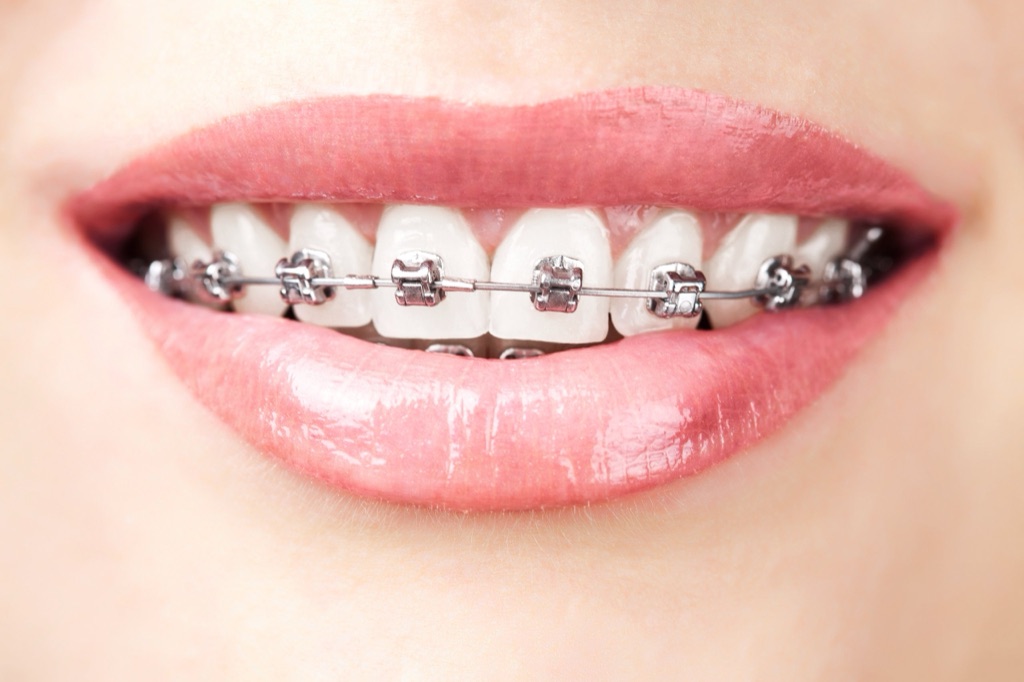
Both types use small brackets bonded to your teeth, joined by a thin wire. The wire applies gentle pressure that moves your teeth into place over time.
Metal braces use stainless steel brackets. Clear ceramic braces use brackets made from a tooth-colored or translucent material, so they blend in with your teeth.
Both are fixed, which means they stay on your teeth the whole time. That sets them apart from Invisalign, which uses removable clear trays. If you’re curious about that comparison, our post on braces vs. Invisalign covers it.
How Do They Look?
Metal braces are easy to spot. Many kids and teens enjoy that, especially when they pick colored bands to match a team, a season, or a mood.
Clear ceramic braces are much less noticeable. Adults who want a lower-profile look, and teens who feel self-conscious about metal, often lean toward them.
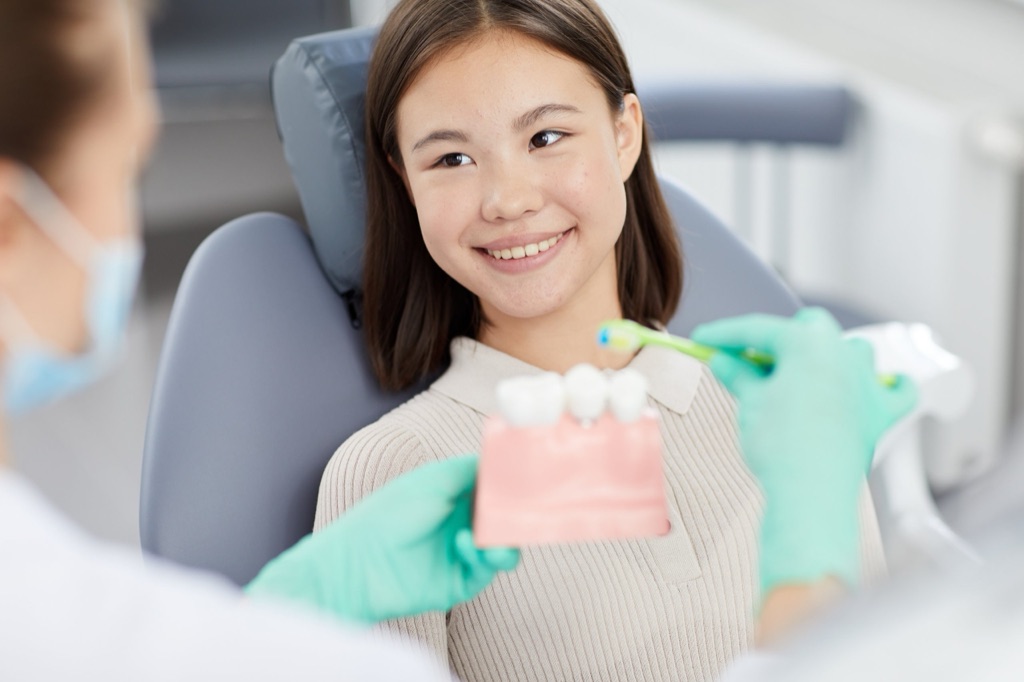
Keep in mind that “less noticeable” doesn’t mean invisible. Up close, you can still see ceramic brackets. Your orthodontist can show you what they look like on a model so you know what to expect.
How Do They Feel?
Every type of braces takes a little getting used to. Your teeth may feel tender for a few days after you get them, and again after adjustments. Soft foods and over-the-counter comfort measures your orthodontist recommends can help.
Today’s metal braces are smaller and sleeker than the ones you may remember. Ceramic brackets can feel slightly larger. Either way, orthodontic wax can ease any spot that rubs your cheek or lip.
Comfort varies from person to person. Ask your orthodontist what to expect for your own treatment.
Which Works Better for My Bite?
Both metal and clear ceramic braces can treat a wide range of concerns, including crowding, gaps, and bite problems. Your bite is simply how your upper and lower teeth fit together. Your age, jaw development, and oral health also shape the plan.
Your orthodontist weighs these factors and recommends the option that fits your needs. Sometimes either type will work well. Other times, one is the stronger choice for what your teeth need to do.
That’s why we don’t hand out one-size-fits-all answers. Your plan is tailored to your unique needs.
What Should Teens, Adults, and Parents Think About?
Different ages bring different priorities. Here are a few ideas to consider.
Teens
Teens often care about how braces look in photos and at school. They also care about how easy braces are to live with. Talk through both sides together, then ask the orthodontist what suits the teen’s bite.
Adults
Many adults want a more discreet option for work and social settings. Clear ceramic braces can fit that goal. Fixed braces also work around your schedule, since you don’t have to remember to put anything back in.
Parents of Younger Kids
For children, timing and growth matter as much as appearance. An early evaluation helps your orthodontist see how teeth and jaws are developing and whether to monitor or treat. Whatever the age, treatment works best when the patient can follow the plan, including keeping up with brushing, food guidelines, and appointments.
How Do You Care for Each Type?
Both types need careful cleaning. Food can collect around brackets and wires, so brushing after meals and flossing with the tools your orthodontist shows you are part of the routine.
Ceramic brackets can stain if the teeth around them aren’t cleaned well. Metal brackets don’t stain, but plaque can still build up around them. In both cases, good habits protect your smile while treatment is underway.
You’ll also want to avoid very hard or sticky foods that can loosen brackets. Your team will give you a clear list at the start.
How Long Does Treatment Take, and What Does It Cost?
Treatment length depends on your teeth and your plan, and your orthodontist can give you an estimate after an exam. Many treatments last around one to three years, but that’s a general range and not a promise.
Cost is also individual. Our post on what Invisalign and braces really cost in New York City explains how we approach pricing. We also review your insurance benefits and estimate your out-of-pocket costs before treatment starts, and we offer interest-free payment plan options through OrthoFi. CareCredit and LendingPoint are accepted as well, with eligibility and terms depending on your situation.
Who Will Guide You?
Our Smilemakers include board-certified orthodontists and doctors with additional craniofacial training. You can meet the Smilemakers and read about their backgrounds.
We’re a family-owned practice with five offices, in Inwood in Manhattan, the Bronx, Yonkers, White Plains, and Waterbury, Connecticut. We care for kids, teens, and adults, wherever you live and whatever your age.
Areas We Serve
iSmile Orthodontics has offices in Bronx, Yonkers, White Plains, Waterbury, and Manhattan and welcomes patients and families from Upper Manhattan, Westchester County, and Greater Waterbury, along with the surrounding communities.
Frequently Asked Questions
What are the alternatives to metal braces?
Clear ceramic braces are a fixed option with brackets that blend in with your teeth. Invisalign is a removable option that uses clear trays. Which one fits depends on your bite, development, oral health, and ability to follow the plan.
Is Invisalign worth it compared to braces?
It depends on what matters most to you. Invisalign trays come out for eating and cleaning, but they only work when you wear them as directed. Braces stay on, which suits some bites and some lifestyles better. Your orthodontist can help you weigh both.
What is the cost of braces in New York?
Cost depends on the treatment plan you need and the type of braces you choose. We offer a complimentary consultation, review your insurance benefits, and give you an estimate of your out-of-pocket costs before treatment. Payment plans are available, subject to eligibility and plan terms.
Ready to Talk Through Your Options?
The best way to choose is to see your own teeth in the conversation. At a complimentary consultation, we’ll look at your bite, answer your questions, and help you picture each option.
You can reach the team at (646) 863-2181, (347) 396-9214, (203) 575-8398, (718) 684-3131, or (914) 428-5335. Or schedule a visit online whenever it suits you. We’d love to help you start your smile journey.