As a parent, you may wonder when your child should first visit an orthodontist. The truth is, there is no exact age that works for every child. Every child develops differently, which means orthodontic issues may appear earlier for some children and later for others.
One of the most common misconceptions about orthodontic treatment is that braces or other orthodontic care should only begin after all permanent teeth have erupted. In reality, waiting too long can sometimes allow minor orthodontic problems to become more complicated in the future. Early orthodontic evaluations can help identify concerns before they worsen and may lead to simpler, more effective treatment later on.
Why Early Orthodontic Evaluations Matter
Orthodontic treatment is about much more than creating a beautiful smile. Properly aligned teeth and jaws can also improve:
- Chewing and eating
- Speech development
- Breathing patterns
- Jaw growth and facial structure
- Overall oral health
An experienced orthodontist can identify developing issues such as:
- Crowded teeth
- Bite problems
- Jaw misalignment
- Spacing concerns
- Thumb sucking and other oral habits that may affect dental development
Even if orthodontic treatment is not needed immediately, an orthodontist can monitor your child’s growth and determine the ideal time to begin treatment.
Understanding the Two Phases of Orthodontic Treatment
Orthodontic care is often divided into two phases to help guide healthy dental and jaw development.
Phase I Orthodontic Treatment
Phase I treatment, also known as early interceptive orthodontic treatment, typically takes place while a child still has a combination of baby teeth and permanent teeth. The goal of this phase is to guide jaw development, create space for incoming permanent teeth, and correct orthodontic problems before they become more severe.
Phase I orthodontic treatment may help:
- Correct harmful bite issues
- Reduce crowding
- Improve jaw alignment
- Lower the risk of trauma to protruding teeth
- Prevent the need for more invasive orthodontic treatment later
Not every child requires Phase I treatment, but when recommended, it can make future orthodontic care smoother, faster, and more efficient.
Phase II Orthodontic Treatment
Phase II orthodontic treatment usually begins once most or all permanent teeth have erupted. This phase focuses on straightening teeth, aligning the bite, and creating a healthy, functional, and aesthetically pleasing smile.
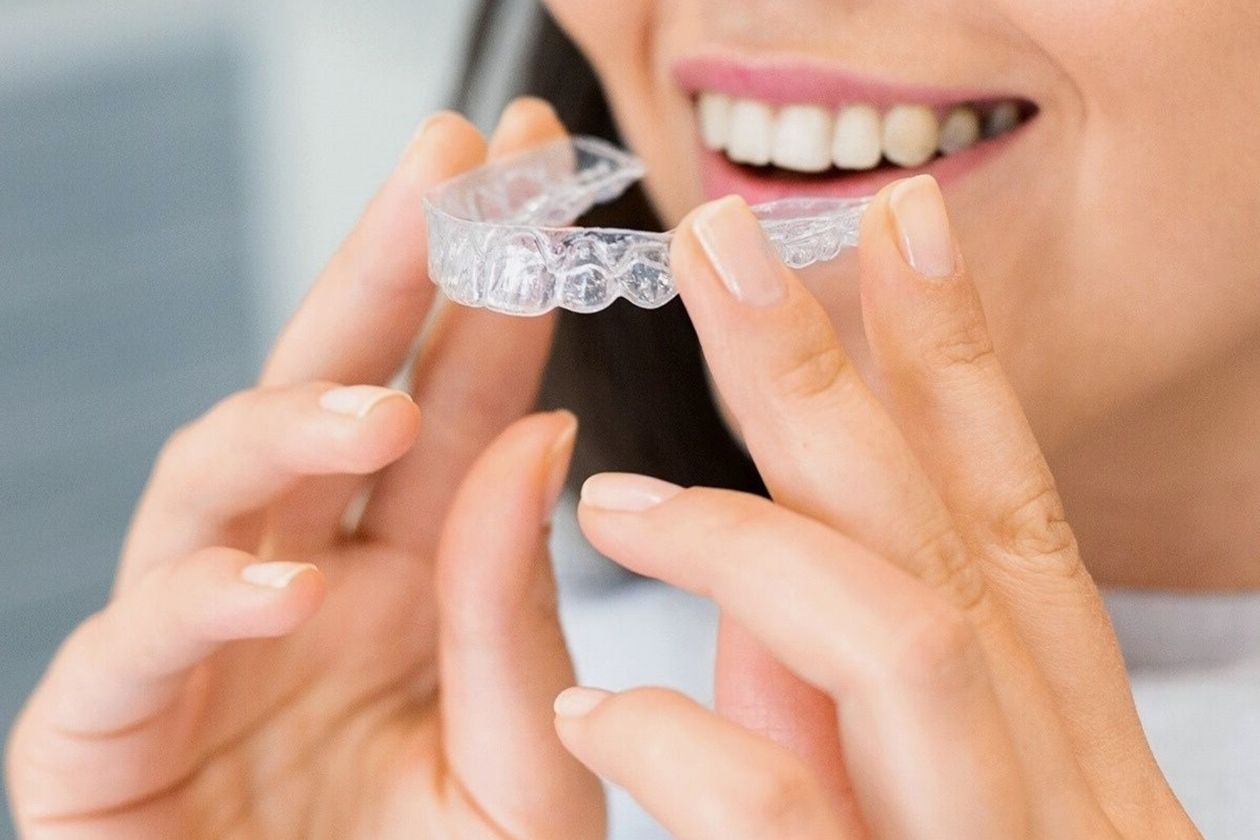
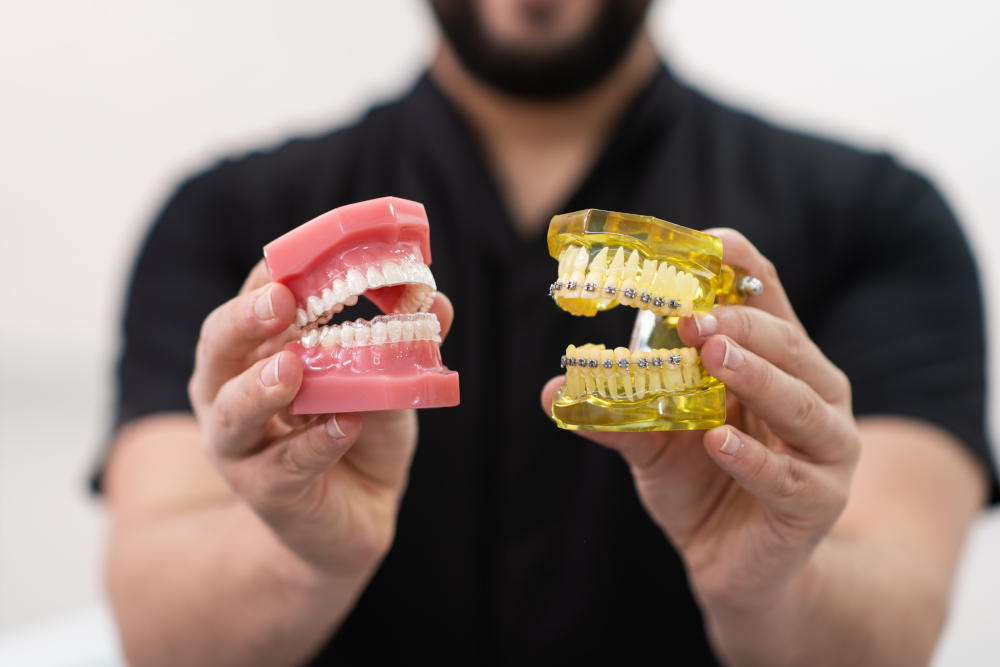
This is the stage most people commonly associate with braces or clear aligners.
Does Every Child Need Early Orthodontic Treatment?
No — not every child needs Phase I orthodontic treatment. Some children may only require periodic monitoring until the timing is right for comprehensive orthodontic care later on.
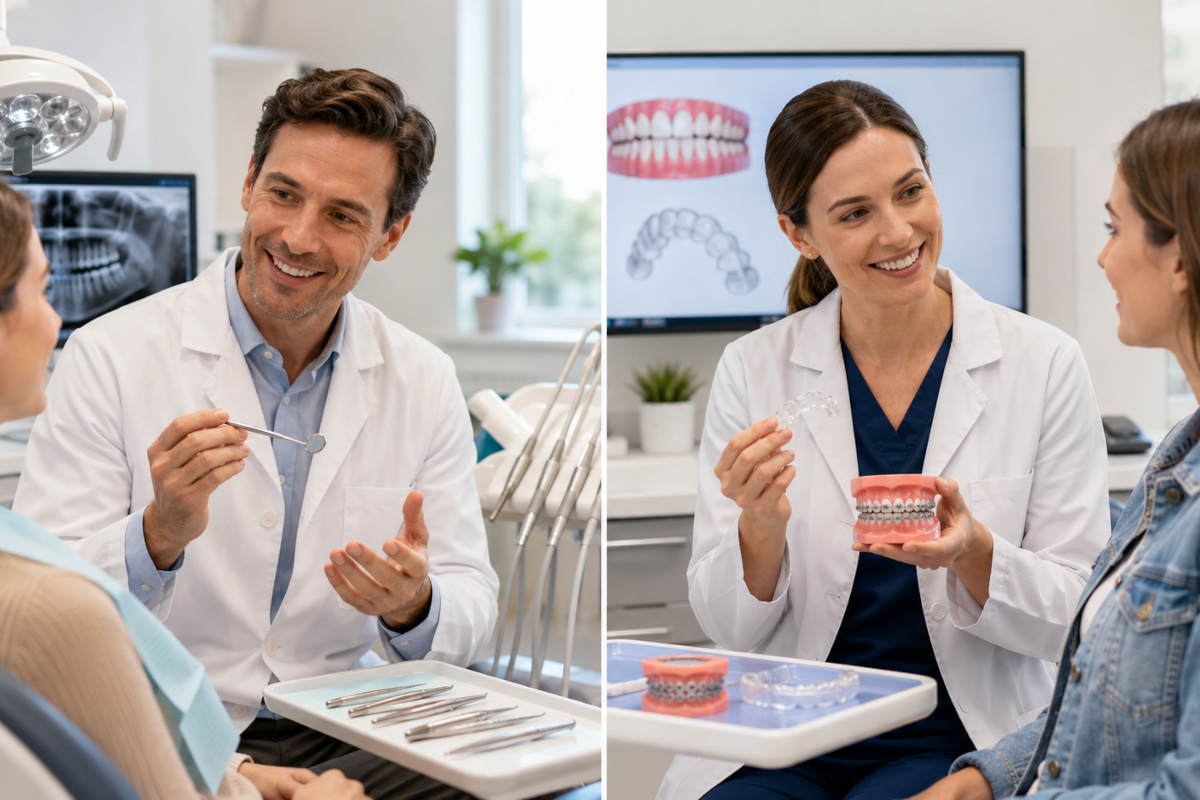
This is why an early orthodontic consultation is so important. An orthodontist can determine whether treatment should begin now or if waiting is the best option for your child’s dental development.
Final Thoughts on Orthodontic Treatment Timing
There is no “perfect age” for orthodontic treatment because every child develops at a different pace. What matters most is having your child evaluated early enough to identify potential orthodontic issues before they become more complex.
If you are unsure whether your child is ready for braces or orthodontic treatment, our team is here to help. An orthodontic consultation can provide peace of mind and help ensure your child’s smile develops in the healthiest way possible.
To schedule a free orthodontic consultation, please contact one of our five offices located in New York City, Bronx, NY, Yonkers, NY, White Plains, NY, or Waterbury, CT at 914.352.4780, or submit a free consultation request form through our website.